Free ground shipping on order above $150 (USA)
 MEMBERS LOGIN



As the world becomes increasingly urbanized, it is more important than ever to be prepared for when shit hits the fan.
Here are seven tips for city preppers to ensure that they are as prepared as possible and survive.
Tip #1: Know Your City Inside and Out

You need to know your town inside and out. This means learning about the different neighborhoods, knowing which areas to avoid, and being familiar with the city's layout.
It also means having a good understanding of the city's infrastructure and knowing where key resources are located.
That way, when the GPS's stop working, you can still find your way around.
Also, look into places you can go to survive specific emergency scenarios. For example, research the nearby public underground facilities and building where you can hide if you want to survive a nuclear threat.
Do you know where you can find bunkers near you? There are several options including underground mine (see this really cool interactive map), caves, federal bunkers (see what they look like here) .
Tip #2: Create a Plan to Evacuate the Urban Area
When shit hits the fan, you need to have a plan to evacuate the urban area and identify at least one safe location.
Map out multiple routes to safety and identify safe locations to go to outside of the urban area. Also, make a plan to get transportation out of the main roads if needed.
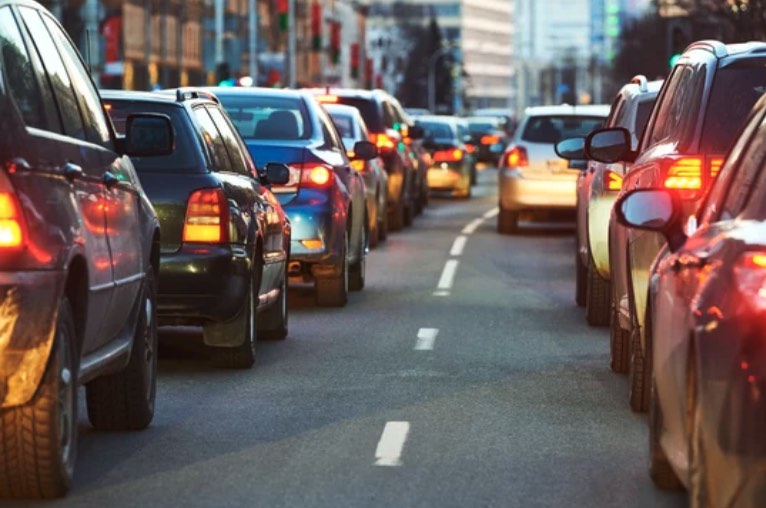
By having a plan in place, you can quickly and safely evacuate the urban area when you need to. Figure this stuff out before the disaster hits. (You don't want to get stuck in traffic.)
If you have not mapped your exit routes yet, our guide on the types of go bags every prepper needs that breaks down what to grab depending on whether you are evacuating for 24 hours or 72.
Tip #3: Create a Family Bug Out Bag

City preppers should be prepared to bug out at a moment's notice. So pack a go bag with supplies, such as food, water, and first-aid supplies.
Also, have a plan for where to go and how to get there. Identify safe locations outside of the urban area and have a plan for how to get there.
Additionally, create a family bug out bag so that everyone in the family is prepping to evacuate.
Make sure to research the items you will need that are specific to your area. For example, if it gets cold where you live, pack some cold weather clothes.
There are a few necessary items and tools that a bug out bag should include:
- Food and water: store enough to last for several days, ideally three weeks or more
- First-aid kit: to deal with any injuries. An IFAK trauma kit is the gold standard for bug-out medical gear.
- Flashlight and batteries: to help navigate in the dark
- Maps: of the streets and surrounding area
- Radio: to stay informed about what is happening
- Clothing: for protection from the elements
- Money: in case you need to purchase supplies
- Self-Defense: tactical pen, knife, gun and ammunitions (where allowed)
- Fire Kit: items like a ferro rod fire starter is important to make a fire if you have to sleep outside and cook
- Emergency Blankets: multi-purpose and cheap, will keep you warm
When you have these items in your bug-out bag, your odds of surviving go way up. Beyond a bug-out bag, there is a full list of skills every prepper should learn — from fire-starting to navigation — that separate the prepared from the panicking.
Even more important, make sure that you know how to use these items and have basic knowledge in first-aid. We offer a first-aid online course if this is something you need help with.
Tip #4: Fortify Your Home
In the event of an emergency, you may be forced to stay home. For instance, if all planned exit routes have heavy traffic or if things are worst outside the urban area.
Fortify your home to protect yourself from looters, criminals, and other threats. This means fortifying entry points, such as doors and windows, and having supplies on hand to defend the house if necessary.
For instance, a compact self-defense tool kept near the front door gives you something to reach for that does not require a safe combination or a holster.
When prepping, you should also consider installing security systems and cameras to deter intruders. By fortifying your home, you will have a better chance of surviving any emergency situation. Check this short video to find out how to better secure your house doors.
@impactdefense Learn how to secure your doors👆 Visit our channel for self-defense videos.👇 www.youtube.com/impactdefense . . . #selfdefense #securedoor ♬ original sound - Impact Defense
Also, in a disaster, ordinary items in your home can cause injury and damage. Here are a few potential hazards: defective electrical wiring, leaky gas connections, heavy objects on higher shelves, flammable products, pesticides, damaged roofs, gutters or chimney.
Tip #5: Decide Which Foods and Supplies You Need to Store for Urban Survival

Make sure you have have enough food and supplies stored up to survive. This means having non-perishable food items as well as water stored in case of an emergency.
You should also consider storing other items such as medicine, clothes, and batteries. By having these supplies on hand, you can treat minor injuries easily and keep moving in the event of a bugout emergency.
This goes without saying: do not advertise that you have a stash when things are still going well. Otherwise, you may become a target.
You can check our food storage calculator if you are concerned about prepping for long term survival .
For a full breakdown of what to stock and how long it lasts, our guide on foods preppers should store covers shelf-stable options organized by category.
A very popular water filtration device is called LifeStraw and can be bought for less than $20 on Amazon.
Tip #6: Have a Plan for Communication and City-Wide Coordination

In the event of an emergency, you should have a plan for communication and city-wide coordination. This means having a way to communicate with neighboors as well as officials.
Understand your network of friends or friendly services that you may need. Having this information with phone numbers and all the data, organized, might save you a precious time. Prepping ahead is always a better approach.
It is also important to have a plan for how to coordinate city-wide efforts in an emergency situation. Prepare to play an active role. Some people leverage the site Facebook to find relevant groups and a lot of free information.
A good plan should be flexible enough to be adapted to unusual situations and based on the information you get through your communication network.
Tip #7: Have a Plan for Water and Electricity Outage

A prepper should have a plan for when the water and electricity go out. This means having a way to get water and power. A generator and a massive powerbank can come handy if you are bug in. In bug out situations, make sure to have a source of current like a 10,000 mah + powerbank.
I love Jackery gear. They have super powerful 120V powerbanks and large portable solar panels.
If you need to bug in, store about one gallon per person per day of fresh water and a plan for how to purify water is essential.
If bugging out, you should have a way to filter water on the go. Make sure to have at least one litre per person of fresh water ready to go.
You should also have a plan for how to cook food without power. This may involve using a camp stove or barbecuing. The Deutch Oven technique for cooking on a campfire can come handy. Also, the Scientific American magazine has a really interesting DIY preparing a water filtration using the sun.
And if long-term self-reliance is where your planning is heading, our deep dive on living off the grid covers water, power, and shelter beyond the first 72 hours.
Bonus Tip: Build a Home Safe Room

Most part of the United States are subject to tornados and hurricanes. It may be a good idea to build a safe room in your home. With the right construction, you can make sure that your family stays safe in the house when a natural disaster hits.

A safe room is a strong structure that can provide near-absolute protection when a tornado or an hurricane 'decides' to hit your home. To find out where to start, I recommend reading this short pamphlet produced by the FEMA (Federal Emergency Management Agency), an organization of the U.S. Department of Homeland Security.
You can find precise specifications that your builder will understand and secure at least part of your home. The FEMA website is full of support and resources to help you plan for wall thickness, attachment to the ground, stability against earthquake and so on.
If your household includes children, our guide on disaster prepping with kids covers age-appropriate go-bag planning and communication protocols.

Building a safe room may enhance the value of your house and is at the same time a great measure to take when thinking about urban prepping.
Some people go to even more extreme measures to ensure their security and survive. You can buy a condo in a fortified complex, made as a luxury bunker. See for instance https://survivalcondo.com and https://www.theguardian.com/lifeandstyle/2020/aug/01/3m-price-tag-inside-luxury-doomsday-bunker. The survival condo are made inside the Atlas missile silo launching pad from the cold war era.
If this is something you can afford, you may find more services than you would expect even during doomsday type events. These have a weapon room, underground pool, exercise room to ensure your physical fitness, radiation-proof air filtration systems, windows with screens to simulate a backyard, massive supplies, etc. Funny fact, no toilet paper, it would take way too much room. Instead, every condo is equiped with a bidet. Maybe something to learn from!

Urban EDC: Tools That Actually Fit City Life
Most prepper lists assume you have a truck bed and a rural zip code. For city dwellers, the constraints are different: gear has to be pocket-sized, legal, and invisible in a professional setting.
This is where the tactical pen shines. It looks and writes like a standard office tool, but provides a glass breaker and striking surface without drawing a second glance from coworkers or security.
Why Pens Beat Blades in the City
In many cities, blade-length laws are a legal minefield. A tactical pen sidesteps those restrictions entirely. If you've researched concealable defense, you know how few options are both effective and legal across all 50 states—a well-built pen is one of them.
For a closer look at why edged tools create more legal risk than they solve, our comparison of knife vs. pen for self-defense lays out the case.
Top Picks for the Urban Commuter
-
The Guardian Titanium: Built from aircraft-grade titanium, this won't snap under pressure or corrode in a humid subway bag. The bolt-action mechanism allows for one-handed deployment—perfect for when your other hand is occupied with a subway pole or groceries. Plus, it uses standard Parker G2 refills so you’re never out of ink.
-
The Stealth Pen Pro: If defense is your priority over aesthetics, this is a kubotan-style tool from the ground up. Featured in my book, Covert Self-Defense, it’s designed specifically for pressure-point targeting and creating distance in tight spaces.
-
The MTP-6: Urban prep includes vehicle emergencies. Whether it’s a flash flood or a garage accident, the hardened tip on the MTP-6 can break a car window instantly—saving you from carrying a bulky, dedicated rescue tool.
Insight: Is Your Gear TSA-Ready?
The real "pro" move for city EDC is ensuring your tools can follow you everywhere. While most tactical pens are "discreet," the best ones are designed to pass through checkpoints without a hitch.
Our breakdown of tactical pens and TSA rules covers exactly what is and is not allowed through airport security.
Want to see how these stack up? Our 2026 Top Tactical Pens Guide compares the top models head-to-head on write quality, strike durability, and TSA pass-through rates.
In Conclusion
Follow these tips, and you'll be way better off if shit hits the fan. Facing a life-threatening survival urban disasters is not an easy task. Use your free time to develop these essential skills and prepare for disasters.
The 3 most important things to do are: make a bug-out bag with basic items, fortify your home, and store food and supplies.
Additionally, you should have a plan for communication and city-wide coordination in case of an emergency. Lastly, make sure to have a plan for when the water and electricity go out.
New to prepping and not sure where to begin? Our guide on how to start prepping on a budget lays out the essentials without breaking the bank.
 Jeff Truchon